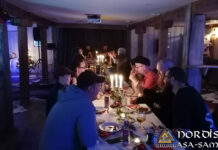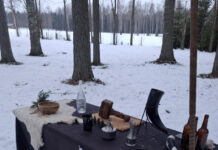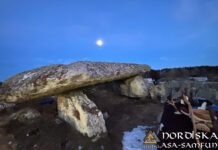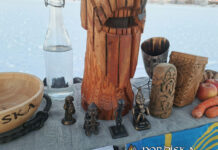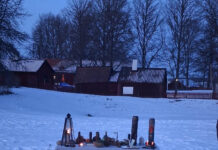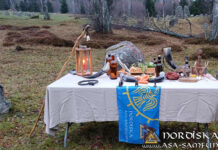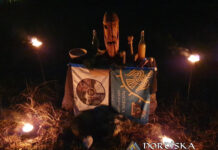

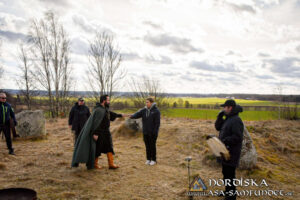
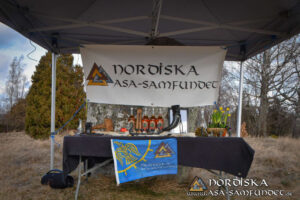
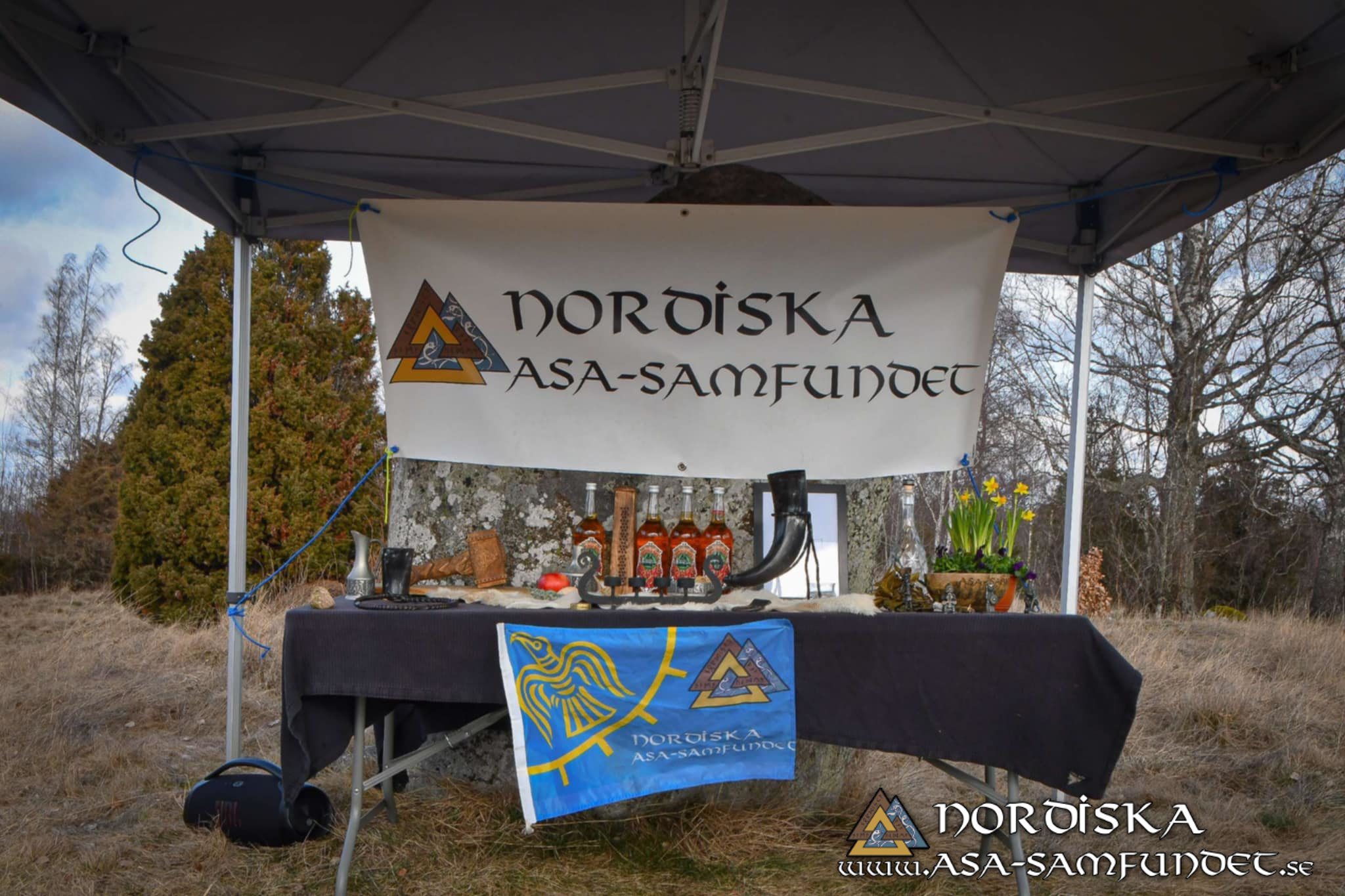
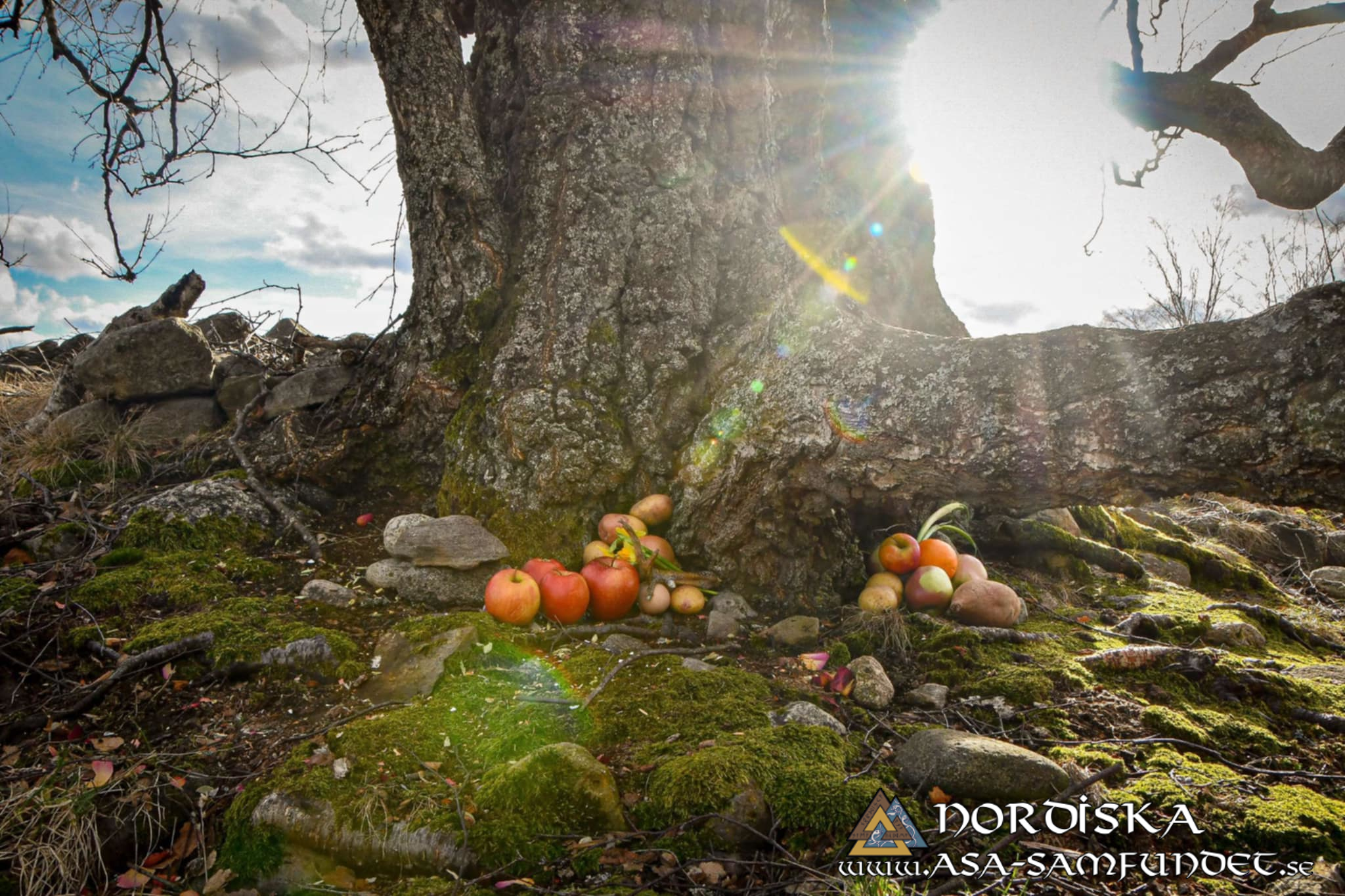
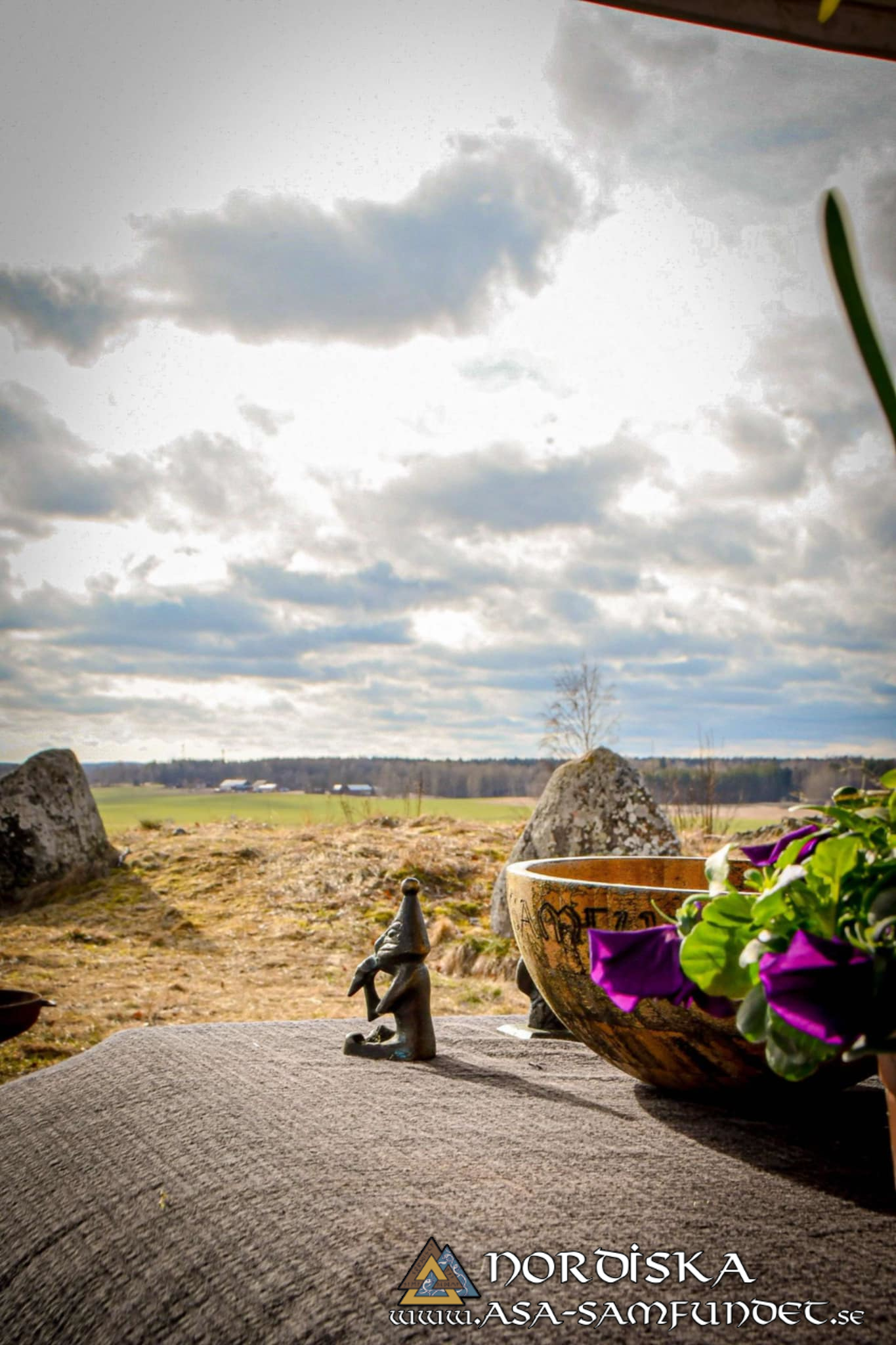
On Saturday, March 15th, the blót kindred Idavallen held a Disablót at Lekebacken burial ground outside Kumla in Sweden.
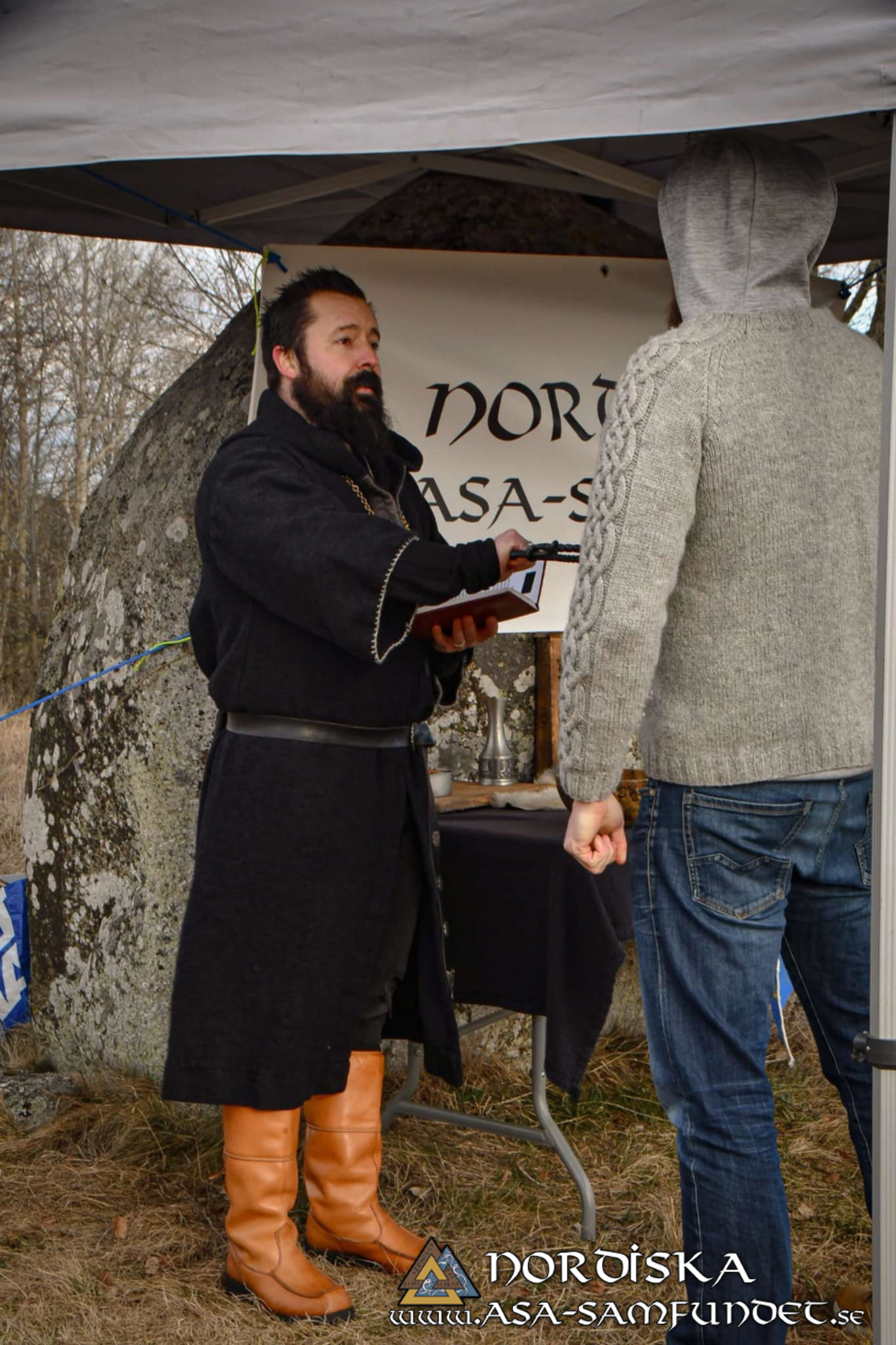
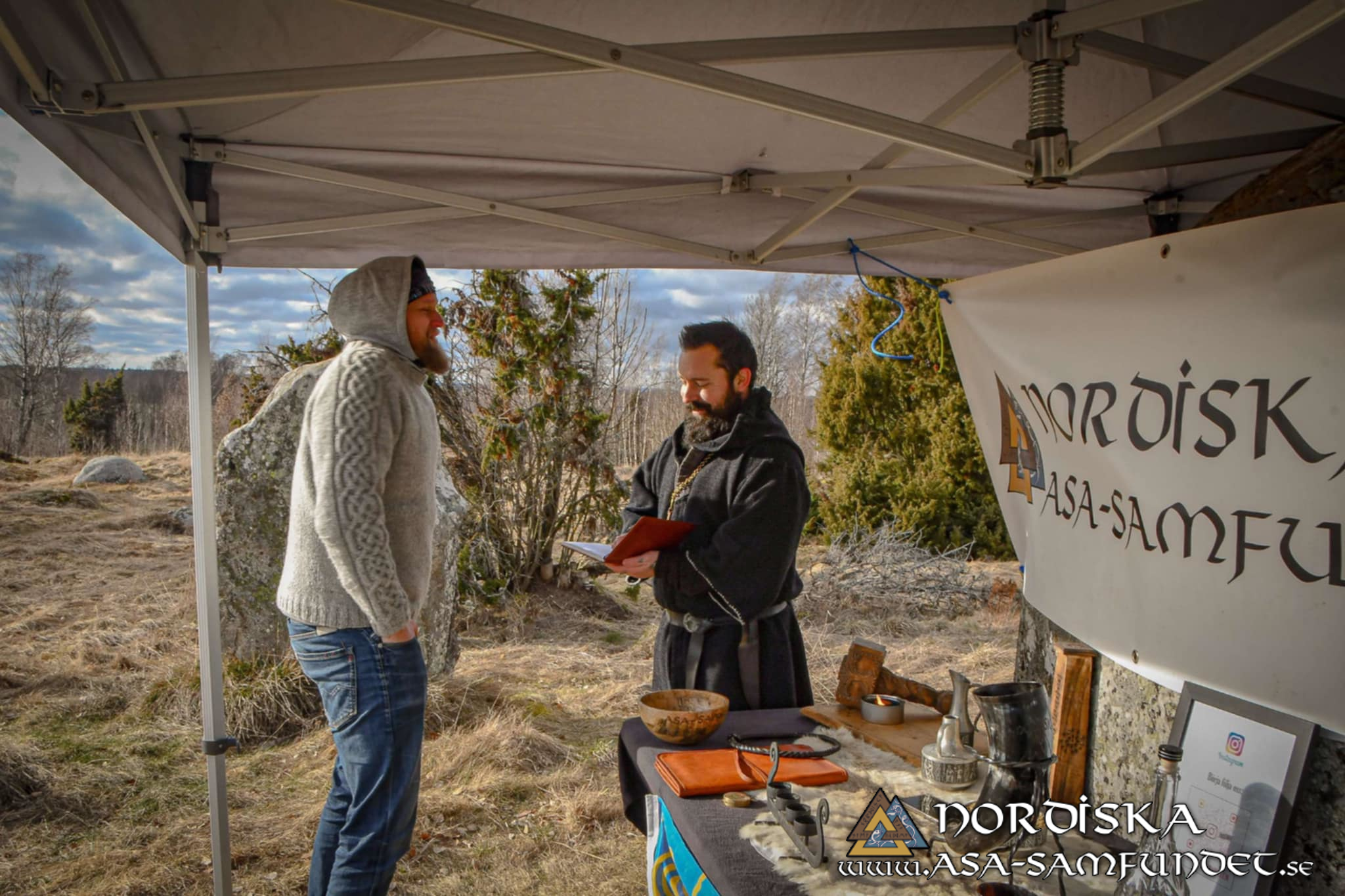
The blót was conducted by NBR Thommy Vähäsalo, assisted by Linnéa Hultman. Nine people took part in the ritual circle, while three younger participants kept warm outside.
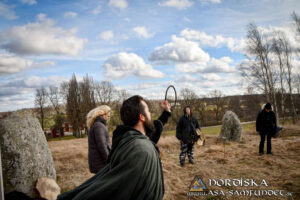
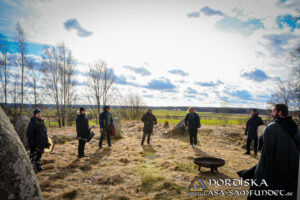
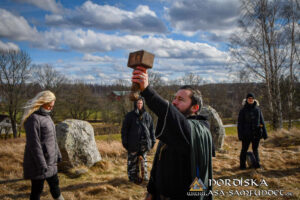
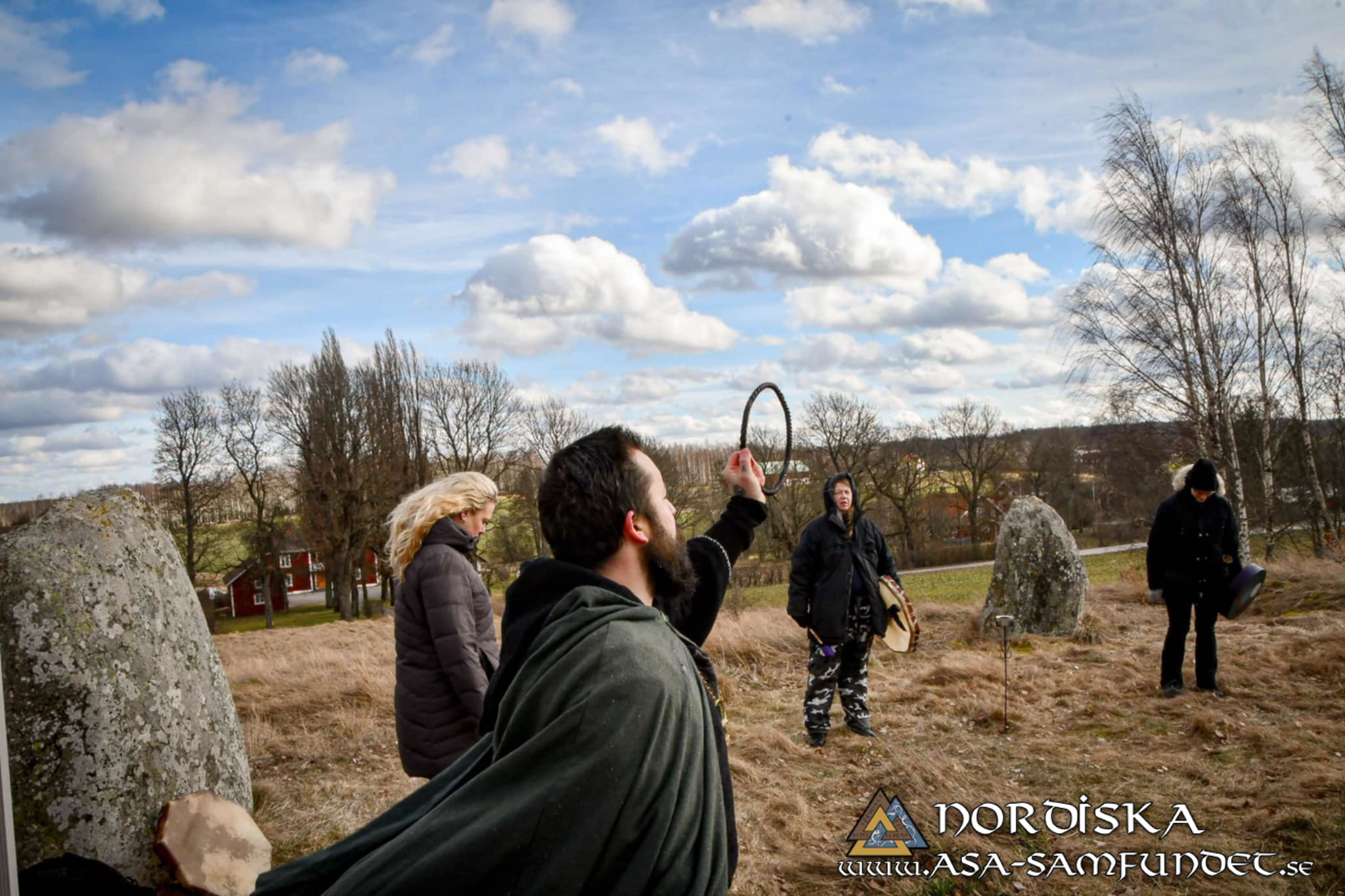
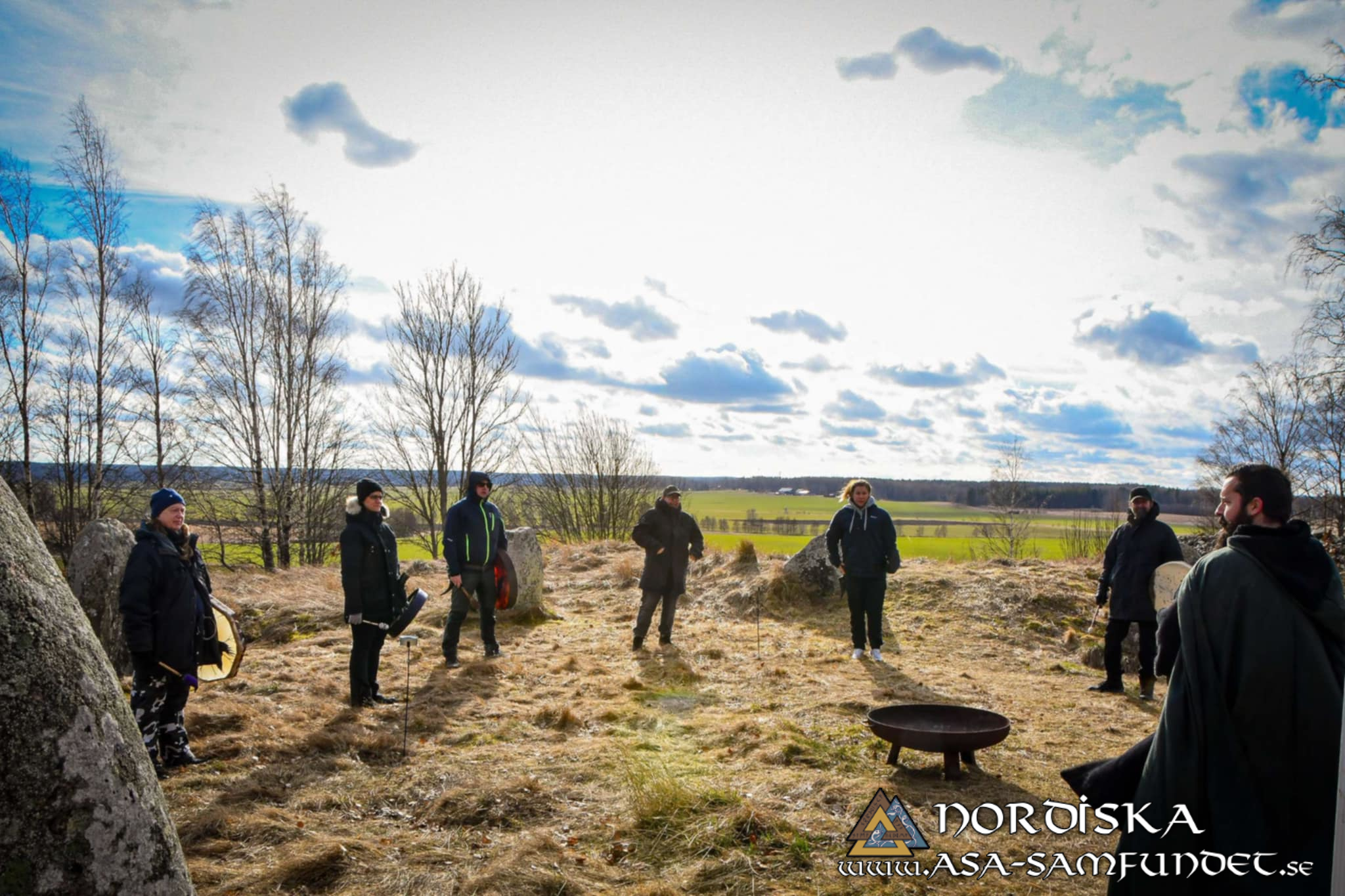
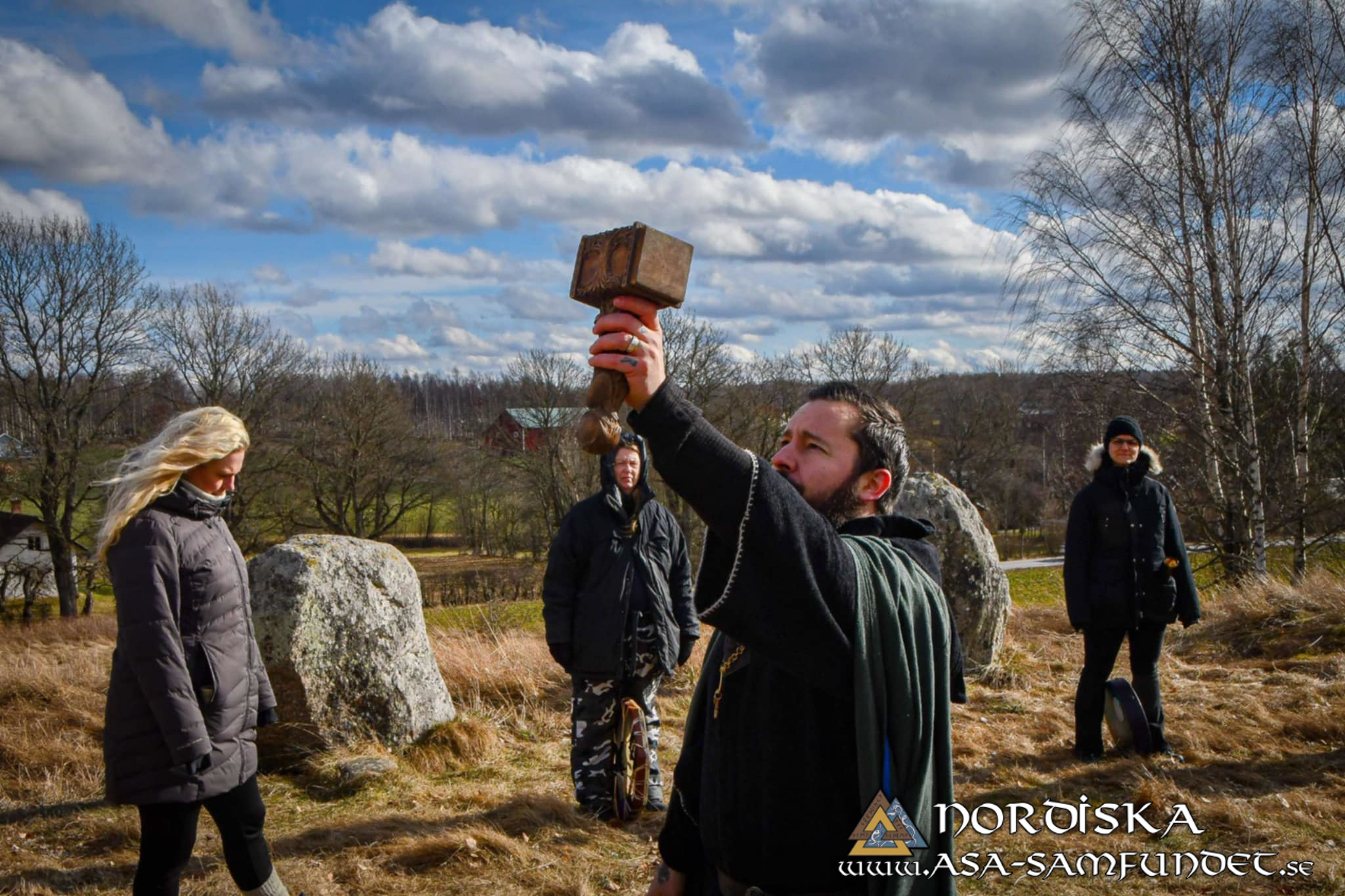
Around 2 PM, the group formed the sacred circle to hold Disablót together on the windswept burial ground of Lekebacken in Närke, Sweden. The attendees consisted of both members of the blót kindred and returning visitors. This was the first time Idavallen honored the powers and ancestors at this ancient site. Unfortunately, several of our members, myself included, were burdened by illness on this day. As a result, I missed the unique opportunity to celebrate Disablót at this place together with my blót kindred for the first time.
With that said, I have no firsthand experience to share in this text. Instead, below follows a short account of the blót written by our blót brother Mats Andersson, as well as some information about Lekebacken
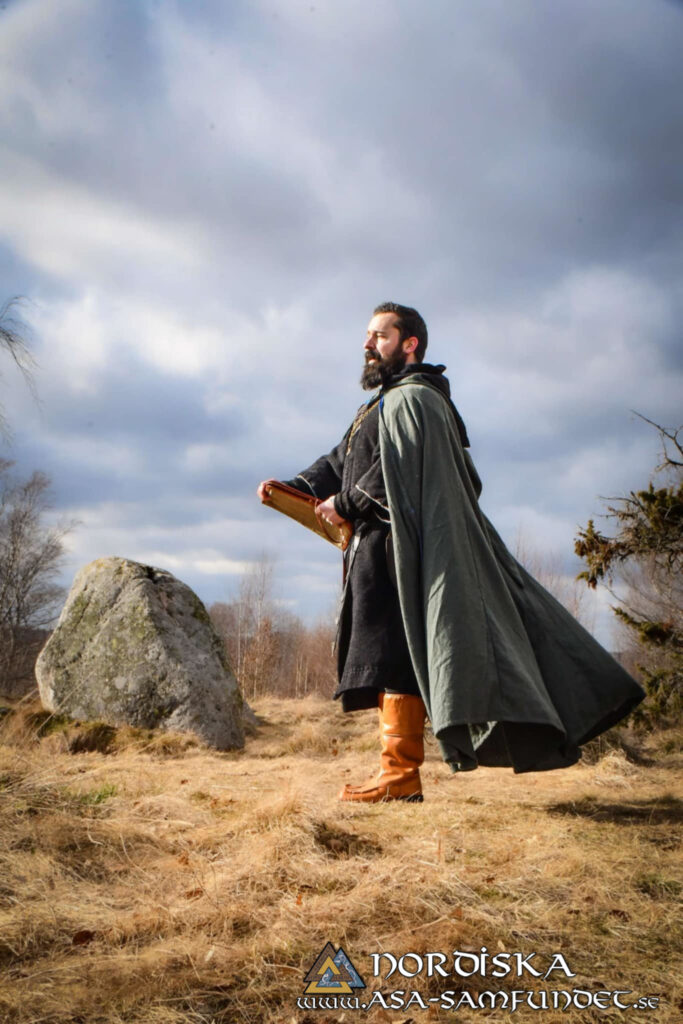
A place that, based on pictures, information, and the impressions of others, I strongly encourage anyone with the opportunity to visit.
A brief account of the blót by Mats:
– We arrived at a windy Lekebacken burial ground, and what struck me first was that it was clear people had viewed this place with reverence for a long time—a truly magical location.
The blót was a very pleasant experience, though a bit cold and windy. Linnéa shared her perspective on the Disir and on the nature of the blót itself, which was a beautiful and thought-provoking exposition.
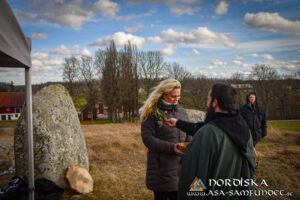
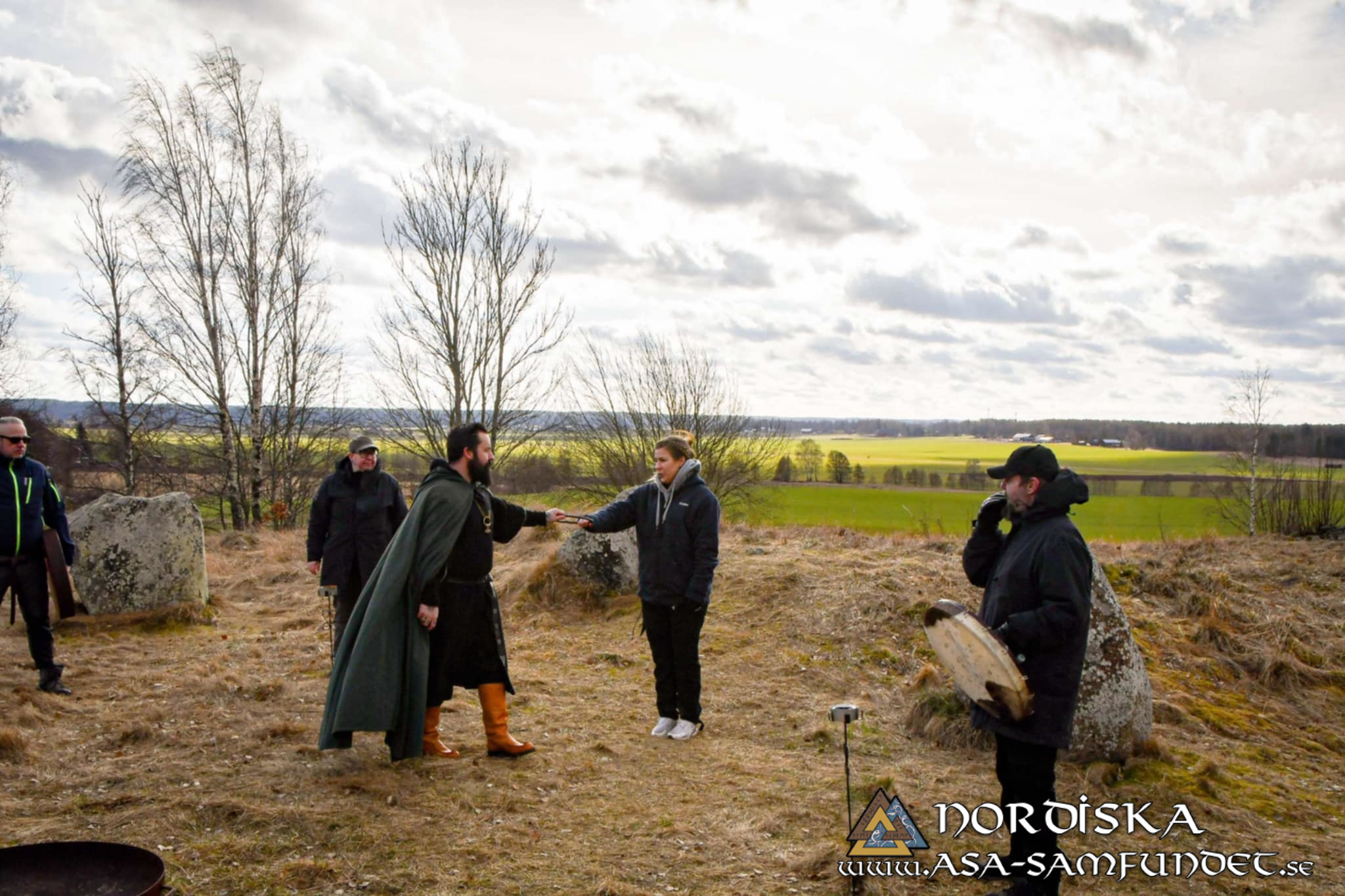
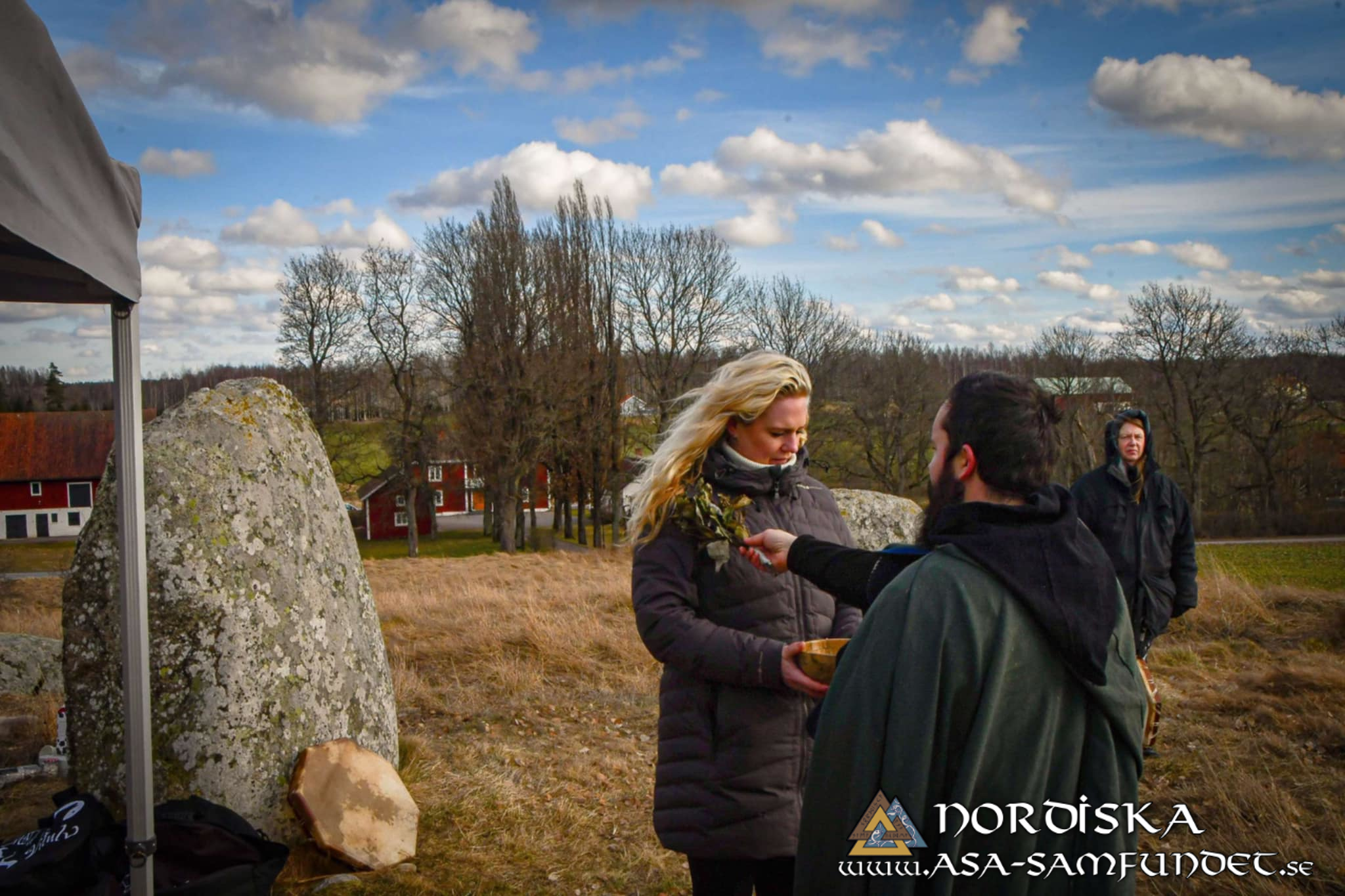
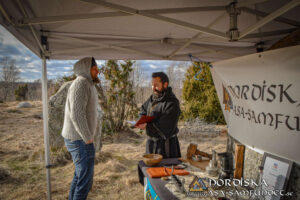
Finally, Roger, Linnéa’s boyfriend, was initiated into Asatru, which was a positive moment.
As always, it was a great gathering, and the site itself is remarkable. Well worth a visit if you haven’t been there before.
Some Information About Lekebacken – Encouraging Future Visits:
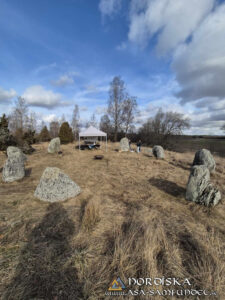
Lekebacken is one of the largest burial grounds in Närke, with over 100 graves.
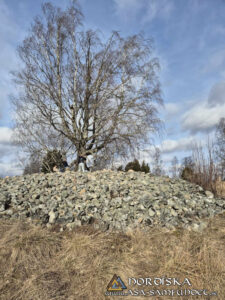
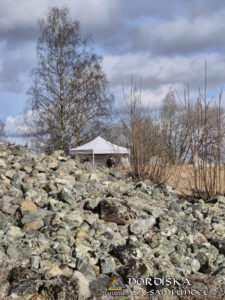
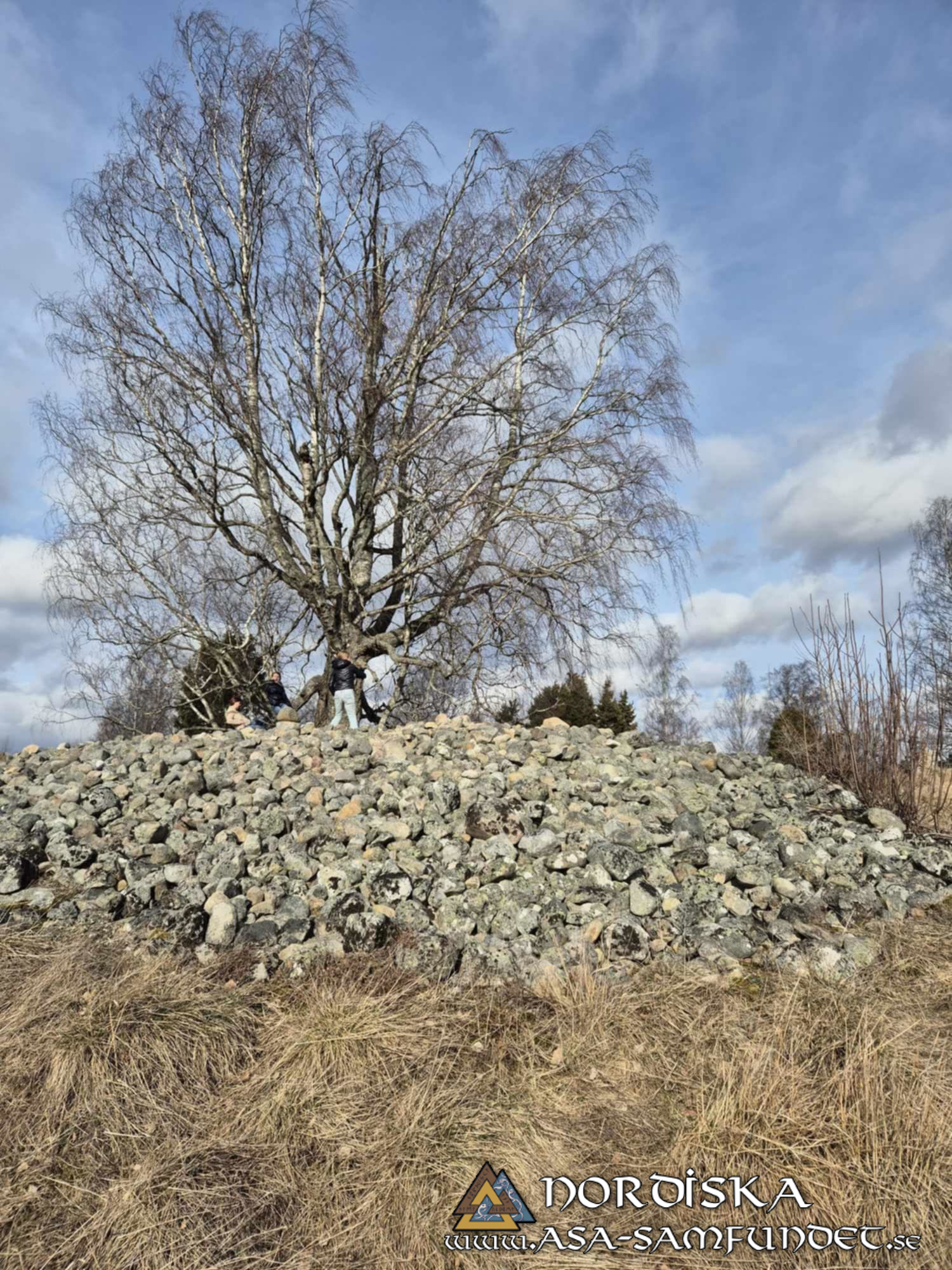
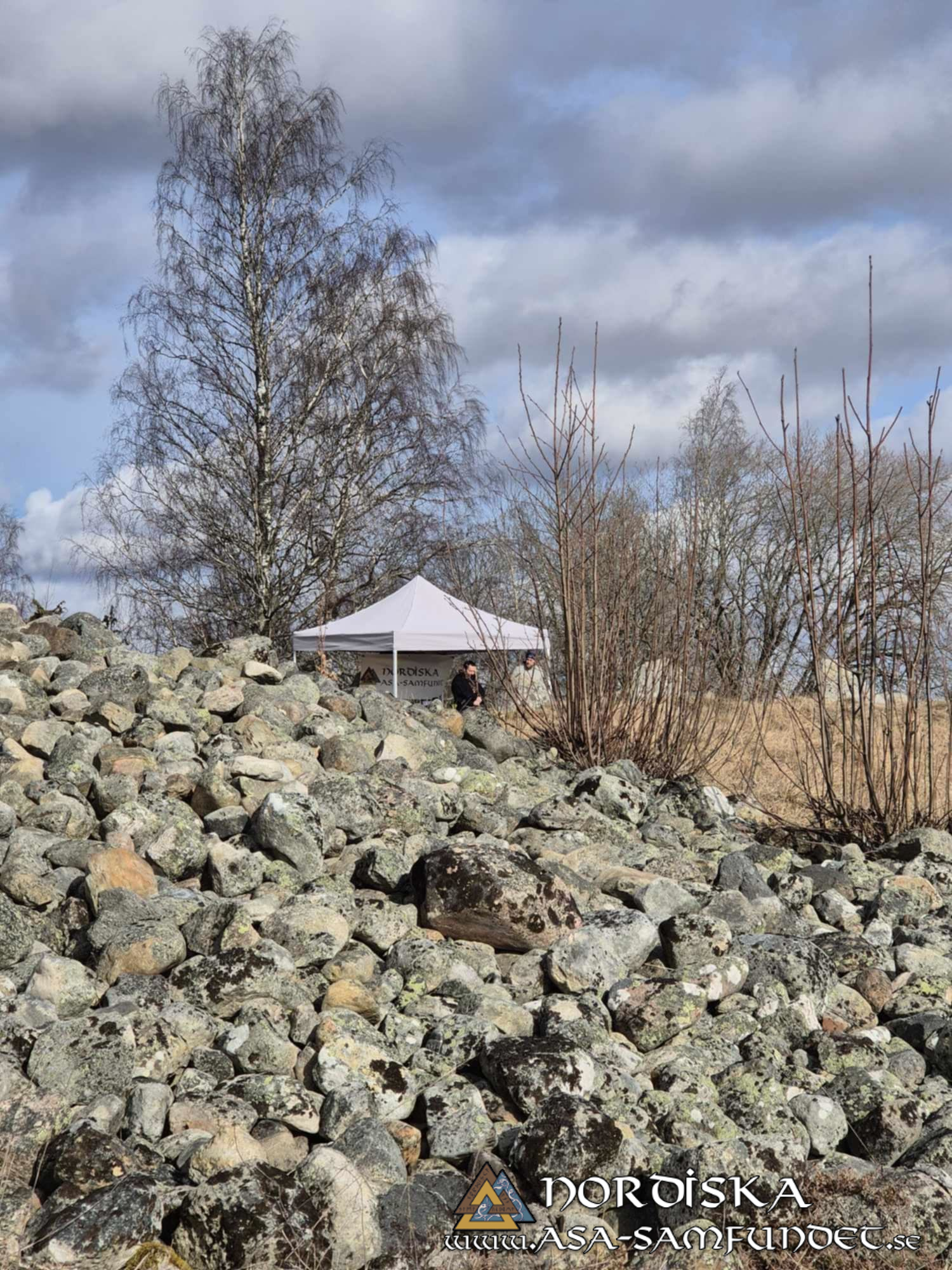
This burial site has been in use for a very long time, with a stone cairn from the Bronze Age being the oldest grave. People began burying their loved ones here around 3,000 years ago. The cairn sits at the highest point of the field.
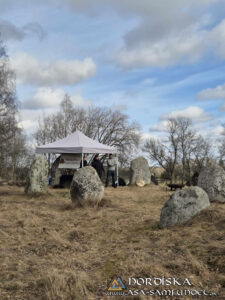
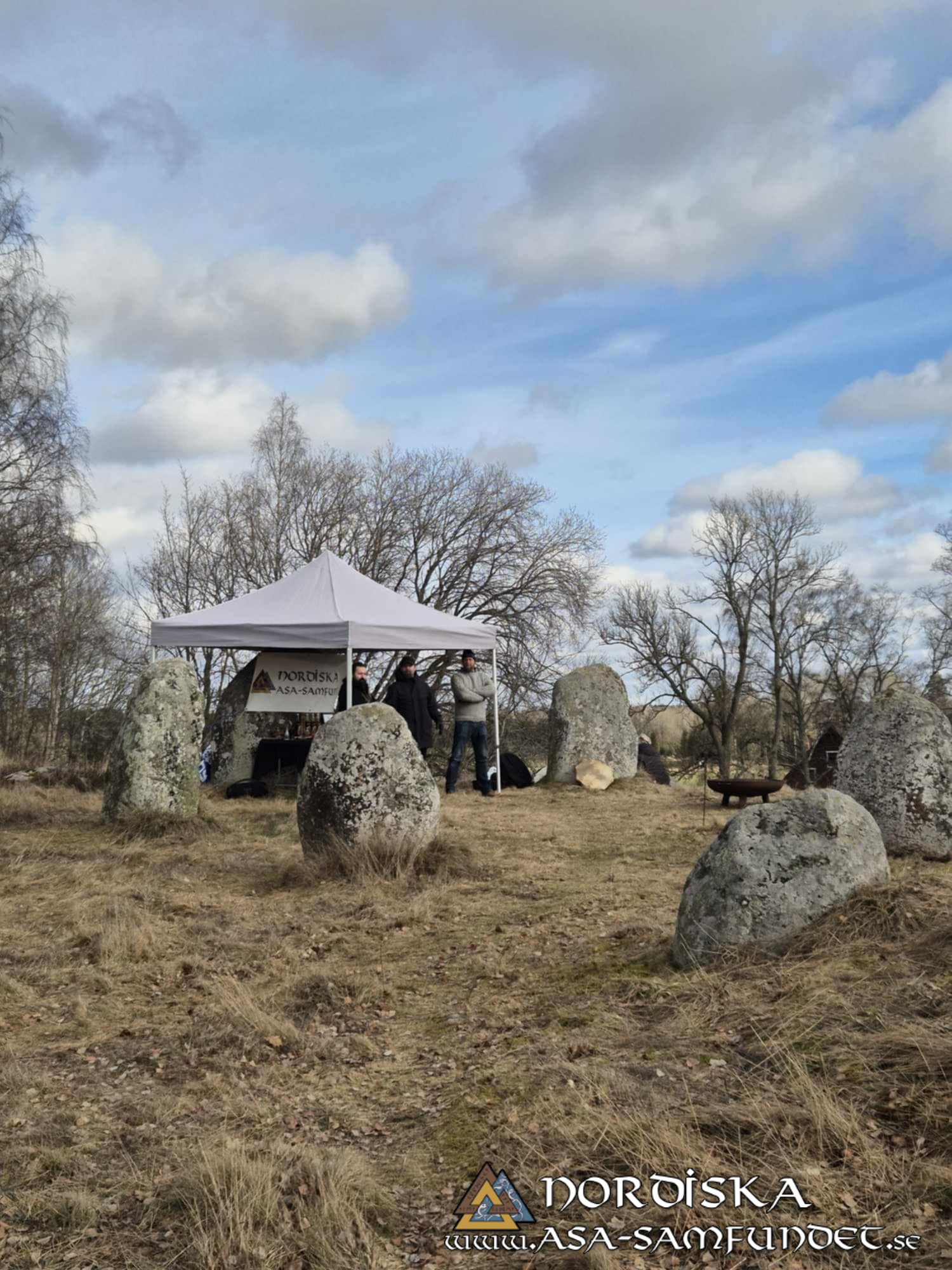
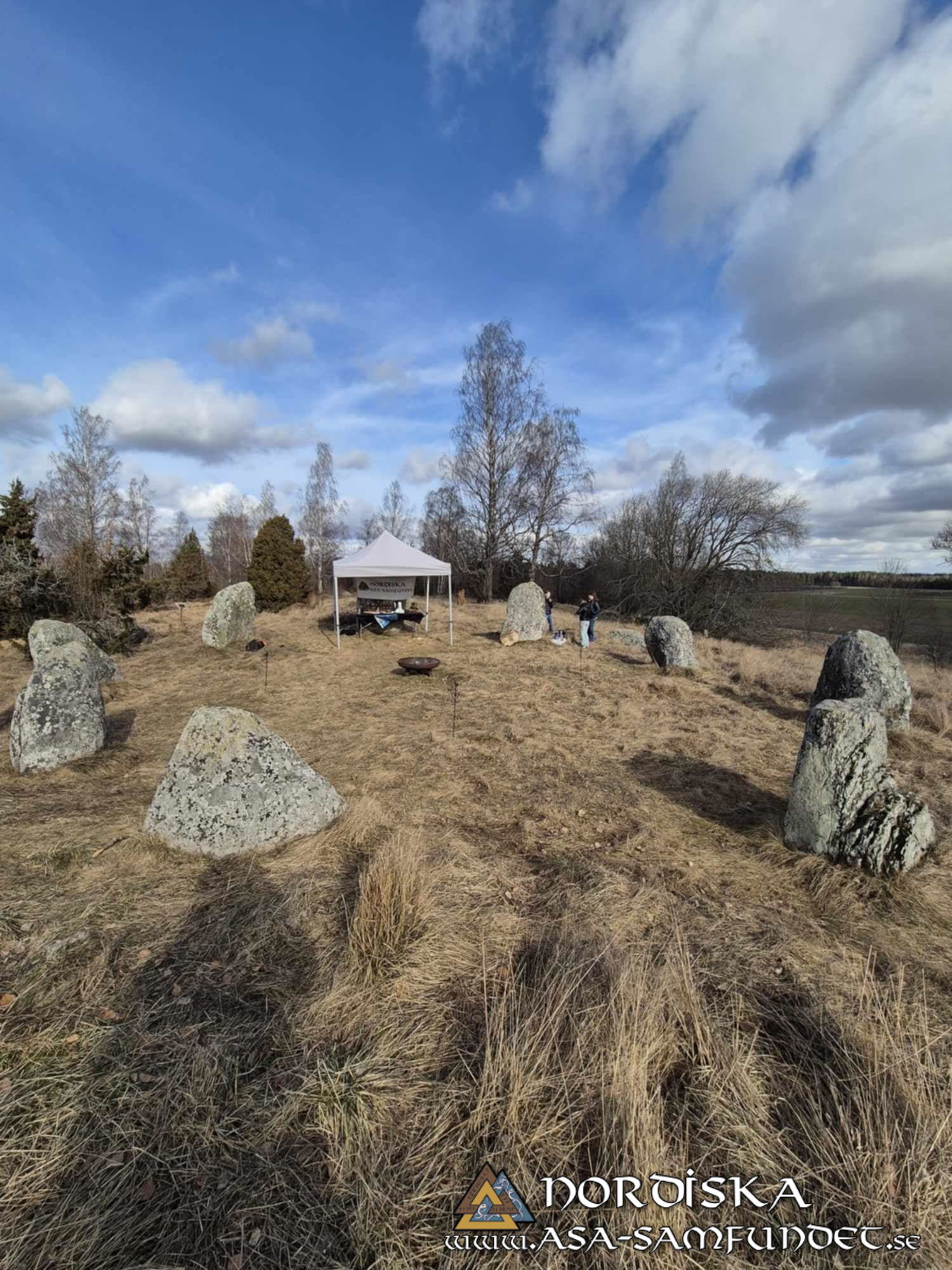
Just beside the old cairn, there is a stone circle where nine stones stand as a monument to a grave. This stone circle was erected during the Iron Age, about 500 years before our era.
The reason we call it a “stone circle” is that people once believed these formations were ancient court sites. Today, we know they are burial places.
Viking Age graves can also be found here, appearing as burial mounds similar to those in many other places across our land. These are the most recent graves, estimated to be just over 1,000 years old.
Interestingly, none of these graves have been excavated yet. Therefore, we do not know exactly how old they are or how many souls rest in this sacred place.
If we fast-forward over half a millennium, the land was later used as farmland. This only ceased in the 19th century. Even today, remnants of the old field can be seen right next to the graves.
Hail Idavallen
Hail Nordic Asa-community
Hail Asatru