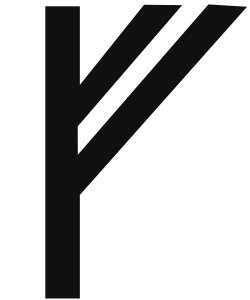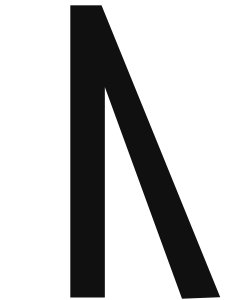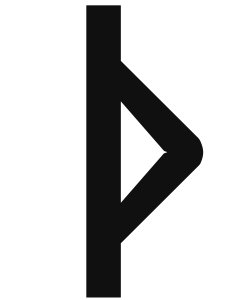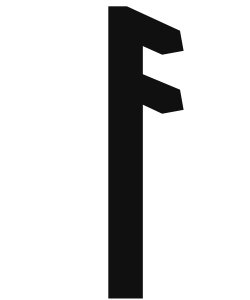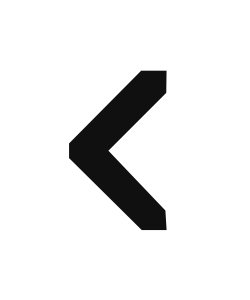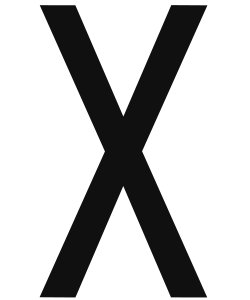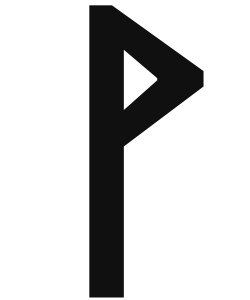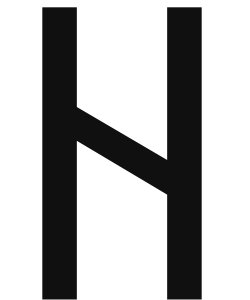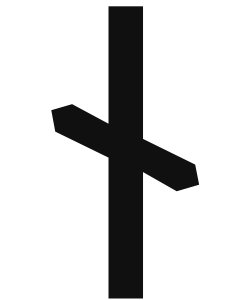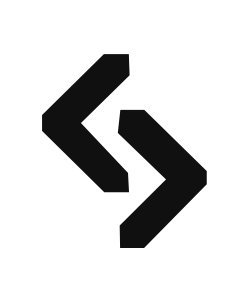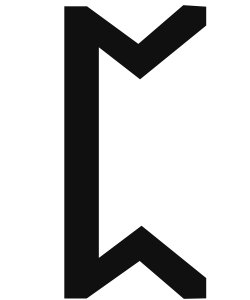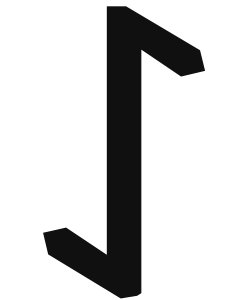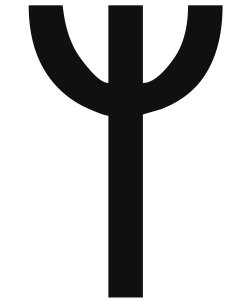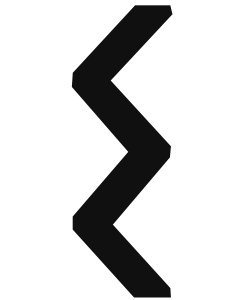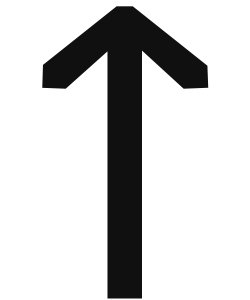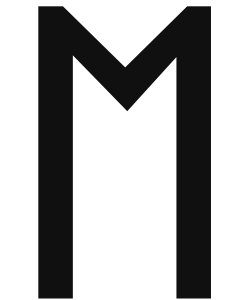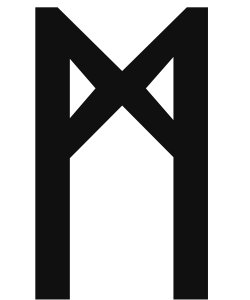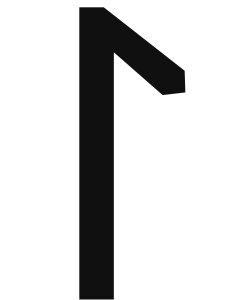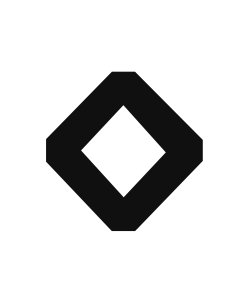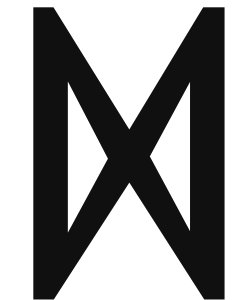
The Proto-Norse Futhark, also called the Elder Futhark, is our oldest rune line, it began to be used around the year 0-100. It was mainly used as a writing sign, but there are many indications that the runes were also used in seidr and other magic, although this is not academically documented.
Proto-Norse Futhark was used until around the 4th-500th century when the language changed from Proto-Norse to what we now call Old Norse (Old West Norse and Old East Norse).
We use the Proto-Norse names of the runes instead of the usual Proto-Germanic runic names, e.g. the T-rune which is usually named Tiwaz which is the Proto-Germanic name, we use TiwaR where the Proto-Germanic /z/ sound has changed to a palatalized R sound.
Where do the runes originate?
Odin sacrificed himself to himself, for nine days and nine nights he hung in Yggdrasil. He fell down when he tried to grab the runes.
As it says in the Poetic Edda:
Hávamál.
Translation: Guðni Jónsson
Stanza. 138.
Veit ek, at ek hekk
vindga meiði á
nætr allar níu,
geiri undaðr
ok gefinn Óðni,
sjalfr sjalfum mér,
á þeim meiði,
er manngi veithvers af rótum renn.
Stanza. 139
Við hleifi mik sældu
né við hornigi;
nýsta ek niðr,
nam ek upp rúnar,
æpandi nam,
fell ek aftr þaðan.
Havamal.
Translation: Carolyne Larrington.
Stanza. 138.
I know that I hung
on a windy tree
nine long nights,
wounded with a spear,
dedicated to Odin,
myself to myself,
on that tree
of which no man knows,
from where its roots run.
Stanza. 139
No bread did they give me
nor a drink from a horn,
downwards I peered;
I took up the runes,
screaming I took them,
then I fell back from there.